

How Often to Inspect Trailer Brakes for Safe Hauling
When drivers ask us how often to inspect trailer brakes, the real concern is safety, reliability, and avoiding costly breakdowns. Trailer brakes endure constant stress from heavy loads, long highway miles, and sudden stops. Without a consistent inspection schedule, small issues can quickly become dangerous failures. Regular maintenance should also include checking tire pressure, lights, wiring, and all essential parts like safety chains, bearings, axles, and the hitch to ensure your trailer is road-ready.
At Gulf City Body & Trailer Works, we have worked with fleets and owner-operators across the Gulf Coast for decades. We understand how demanding road conditions in Mobile and the surrounding areas can be. That is why we emphasize proactive brake inspections that protect equipment, cargo, and drivers alike. Additionally, checking fluids and lubrication is crucial in keeping all moving parts running smoothly, further enhancing safety and performance.
Why Regular Trailer Brake Inspections Matter
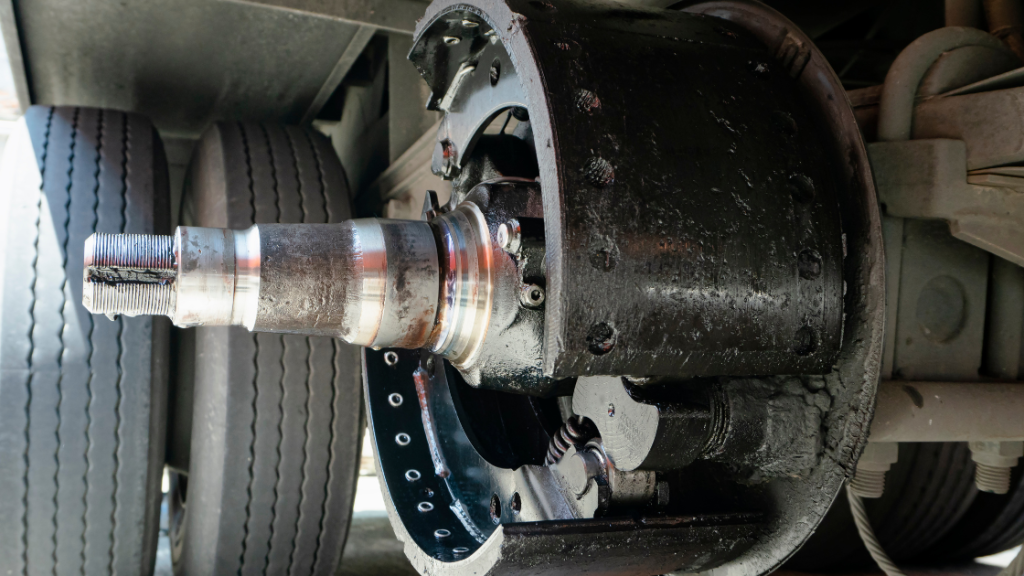
Trailer brake systems include multiple working components: pads or shoes, drums or rotors, air lines, slack adjusters, hydraulic systems, and electrical connections. Over time, heat, friction, and corrosion cause wear that can affect even the tread depth of the tires. Regular inspections ensure the long-term health of trailer components, including the battery, which powers the brake system and other electrical needs.
If left unchecked, worn brake linings can damage rotors. Air leaks can reduce stopping power. Corrosion in lines can lead to sudden failure. According to the Federal Motor Carrier Safety Administration, routine brake maintenance is essential for commercial vehicle safety compliance. Regular checks on the battery and wiring within the braking system also contribute to reliable performance.
Regular inspections help us:
- Detect uneven wear before it damages other components
- Identify leaks or pressure loss early
- Prevent downtime and emergency roadside repairs
- Extend the life of the trailer by maintaining critical parts such as safety chains and bearings
Preventive care always costs less than reactive repairs, including monitoring tire pressure and tread depth.
-
So, how often should you inspect trailer brakes? The answer depends on usage, load weight, and driving conditions. However, industry best practice sets a clear baseline.
-
Most trailers should have brakes inspected:
- Every 12,000 miles
- Or at least once per year, whichever comes firstThis aligns with widely accepted commercial safety guidance and includes regular checks on parts like the battery and fluids for optimal performance.
-
If your trailer hauls heavy freight, operates daily, or drives in coastal environments like Mobile, AL where salt exposure accelerates corrosion, inspections should occur:
- Every 6 months
- Or quarterly for severe-duty applicationsFrequent stopping, steep grades, and rough roads significantly increase brake wear, as does the stress on the tires, battery, and other components like wiring.
-
We often recommend adjusting inspection schedules based on workload rather than relying solely on a calendar date. A trailer working year-round under heavy loads needs more attention than a light-duty unit used seasonally. Checklists that cover all system components, from bearings to lights and axles, are a crucial part of maintenance routines.
Even with a maintenance schedule in place, drivers should stay alert for warning signs between inspections.
How Often to Inspect Trailer Brakes
Common red flags include:
- Grinding or squealing noises during braking
- Vibration or shaking when stopping
- Increased stopping distance
- Soft or spongy brake pedal
- Visible fluid leaks near wheels
- Uneven tread depth on tires
If any of these symptoms appear, a professional inspection should not wait. Reduced braking performance increases accident risk and can damage additional components, including the tire pressure and battery.
Standard Recommendation
For operators managing fleets, we also recommend pairing brake checks with routine structural evaluations through our trailer repair services.
-
At Gulf City Body & Trailer Works, our team performs comprehensive evaluations that go beyond a quick visual check. A proper inspection includes:
- Measuring brake pad or shoe thickness
- Inspecting drums and rotors for scoring or cracks
- Checking air systems for leaks and pressure consistency
- Evaluating slack adjusters for proper function
- Inspecting brake lines for corrosion or damage
- Ensuring proper lubrication and functionality of all axlesBrake fluid condition is also critical in hydraulic systems. The U.S. Department of Energy highlights the importance of maintaining vehicle systems for safe and efficient operation. Learn more through the Department of Energy’s vehicle maintenance resources.
-
By addressing small issues early, we help prevent major system failures later and ensure that all electrical components, such as the battery and wiring, are in top condition.
Mobile’s coastal climate presents unique challenges. Salt air and humidity accelerate rust and corrosion, particularly in brake lines and metal components. This atmospheric effect can also compromise the integrity of safety chains, the hitch, and tires.
Heavy-Duty or High-Mileage Use
Because of this, we often recommend more frequent inspections for trailers operating along the Gulf Coast. Quarterly evaluations can significantly reduce corrosion-related failures, keeping parts such as batteries, fluids, and axles in excellent condition.
-
Building inspections into your hauling calendar also minimizes downtime. Scheduling service after peak delivery seasons helps ensure trailers are ready when business ramps up again.
-
Understanding how often to inspect trailer brakes is not just about compliance. It is about protecting your drivers, cargo, and long-term investment.
Consistent inspections:
- Reduce unexpected breakdowns
- Improve braking reliability
- Lower long-term repair costs
- Support safer road operations
- Protect all integral parts, including the battery and tire pressure
Our team has proudly served Mobile and the surrounding communities for decades. We combine hands-on experience with a deep understanding of commercial trailer systems to deliver reliable service operators trust.
If your trailer is approaching its mileage interval or showing signs of brake wear, call us at (251) 438-5521 to schedule your professional trailer brake inspection with Gulf City Body & Trailer Works. We are ready to help keep your equipment safe, compliant, and ready for the road ahead.
Warning Signs Your Trailer Brakes Need Immediate Attention
Even with a maintenance schedule in place, drivers should stay alert for warning signs between inspections.
Common red flags include:
-
Grinding or squealing noises during braking
-
Vibration or shaking when stopping
-
Increased stopping distance
-
Soft or spongy brake pedal
-
Visible fluid leaks near wheels
If any of these symptoms appear, a professional inspection should not wait. Reduced braking performance increases accident risk and can damage additional components.
For operators managing fleets, we also recommend pairing brake checks with routine structural evaluations through our trailer repair services.
What a Professional Brake Inspection Includes
At Gulf City Body & Trailer Works, our team performs comprehensive evaluations that go beyond a quick visual check. A proper inspection includes:
-
Measuring brake pad or shoe thickness
-
Inspecting drums and rotors for scoring or cracks
-
Checking air systems for leaks and pressure consistency
-
Evaluating slack adjusters for proper function
-
Inspecting brake lines for corrosion or damage
Brake fluid condition is also critical in hydraulic systems. The U.S. Department of Energy highlights the importance of maintaining vehicle systems for safe and efficient operation. Learn more through the Department of Energy’s vehicle maintenance resources:
By addressing small issues early, we help prevent major system failures later.
Adjusting Your Inspection Schedule for Gulf Coast Conditions
Mobile’s coastal climate presents unique challenges. Salt air and humidity accelerate rust and corrosion, particularly in brake lines and metal components.
Because of this, we often recommend more frequent inspections for trailers operating along the Gulf Coast. Quarterly evaluations can significantly reduce corrosion-related failures.
Building inspections into your hauling calendar also minimizes downtime. Scheduling service after peak delivery seasons helps ensure trailers are ready when business ramps up again.
Proactive Maintenance Protects Your Investment
Understanding how often to inspect trailer brakes is not just about compliance. It is about protecting your drivers, cargo, and long-term investment.
Consistent inspections:
-
Reduce unexpected breakdowns
-
Improve braking reliability
-
Lower long-term repair costs
-
Support safer road operations
Our team has proudly served Mobile and the surrounding communities for decades. We combine hands-on experience with a deep understanding of commercial trailer systems to deliver reliable service operators trust.
If your trailer is approaching its mileage interval or showing signs of brake wear, call us at (251) 438-5521 to schedule your professional trailer brake inspection with Gulf City Body & Trailer Works. We are ready to help keep your equipment safe, compliant, and ready for the road ahead.