Did you know? According to industry data, over 30% of semi-trailer accidents are linked to missed warning signs... from uneven tire wear to hidden brake system problems. Spotting semi-trailer repair signs early not only protects your cargo and drivers, but could also prevent financial losses from costly repairs or even total replacement. In this essential guide, we’ll show you how to recognize urgent trailer repair signs before they become emergencies, so you can keep your fleet reliable, safe, and on the road.
Revealing the Hidden Dangers: Why Knowing Semi-Trailer Repair Signs Matters
Many fleet managers and drivers overlook minor issues, believing a single warning sign can wait until the next service. However, ignoring even small semi-trailer repair signs may result in progressive wear and tear, reduced fuel efficiency, or even critical breakdowns on high-speed highways. Recognizing these red flags early can be the difference between routine trailer repair and facing expensive downtime for major structural fixes or accident investigations.
Immediate attention to warning signs, such as uneven tire wear, brake issues, or electrical problems, can save you thousands in costly repairs and keep your business reputation intact. By learning how to spot these indicators, maintenance teams and operators can extend the life of their trailers, prevent unpredictable failures, and safeguard every haul. This article provides a detailed roadmap for identifying, understanding, and acting quickly on potential problems, ensuring your semi-trailer remains a dependable asset rather than a liability.

What You’ll Learn About Semi-Trailer Repair Signs and Replacement Warning Signs
- How to spot crucial semi-trailer repair signs before breakdown
- Warning signs that indicate immediate attention is required
- Common causes of failure such as tire wear, brake system issues, and electrical problems
- Expert tips for regular maintenance and inspection
- When to opt for repair versus total trailer replacement
Understanding the Importance of Trailer Repair and Recognizing Early Warning Signs
Overlooking even minor issues can lead to hazardous and expensive outcomes. For instance, a small alignment issue or a blinking warning sign on your dashboard may seem inconsequential. But left unchecked, these problems can rapidly escalate, causing major brake system failures, tire blowouts, or even catastrophic accidents. The trick is to pay attention to every sign of wear, whether it’s a strange vibration, dim lighting, or a bit of uneven tire wear.
By actively monitoring your semi-trailer for early warning signs, you not only avoid costly repairs but also improve daily operational efficiency and driver safety. Regular inspections let you catch potential problems before they develop into urgent issues, giving you time to schedule trailer repair around your haul calendar. Prioritizing early action on these signs is the most powerful way to keep your trailers on the road and your business thriving.
"Ignoring early warning signs on your semi-trailer can escalate minor issues into dangerous and costly failures." -- Industry Expert
Staying vigilant for these early indicators is crucial, but knowing when and how to address them can make all the difference. For a closer look at professional repair solutions and what to expect during a service visit, explore the comprehensive tanker and trailer repair service offered by Gulf City Body & Trailer Works, Inc., their expertise can help you resolve issues before they escalate.
Key Semi-Trailer Repair Signs: A Comprehensive Guide
Abnormal or Uneven Tire Wear: First Signs of Trailer Repair Needed
Among the most telling signs that your semi-trailer needs inspection are patches of uneven tire wear. When tire wear is concentrated on one side, spotted with bald patches, or shows feathering, where tread edges are sharp on one side and smooth on the other, these all point to underlying alignment issues or suspension problems. Not only does abnormal tire wear reduce the lifespan of your tires, but it also increases the risk for tire blowouts and reduces fuel efficiency. Routine trailer repair inspections focusing on tire attitudes and tread depth can quickly identify these early warning signs, preventing more dangerous issues on the road.
Oftentimes, uneven wear comes from misaligned axles, worn suspension parts, or unbalanced loads. Overlooking this red flag might turn a minor issue into a roadside emergency. Pay attention to visible bald spots, sidewall cracks, or tires wearing much faster than their counterparts, these are strong indicators that you need immediate trailer repair, not just tire rotation. Regular tire pressure checks and wheel alignments are your best bet in catching and correcting problems early.

Tire Blowouts and Their Link to Underlying Issues
Tire blowouts on semi-trailers are often more than bad luck; they’re a loud, dangerous warning sign that something is seriously wrong. Whether it’s chronic underinflation, excessive tire wear, or undiscovered alignment problems, a blowout is usually the result of long-neglected maintenance issues. Blowouts not only jeopardize cargo and drivers but can also trigger pileups, lawsuits, and expensive repairs or replacements.
If your fleet is experiencing frequent tire blowouts, investigate root causes such as damaged wheel rims, poor-quality tires, or neglected brake line leaks that overheat the wheels. Consistently check for signs of wear, maintain proper tire pressure, and pay attention to driver feedback on vibrations or strange noises. Immediate trailer repair can prevent something as small as a slow leak from becoming a catastrophic failure.
Brake System Failure: Recognizing Brake Warning Signs Early
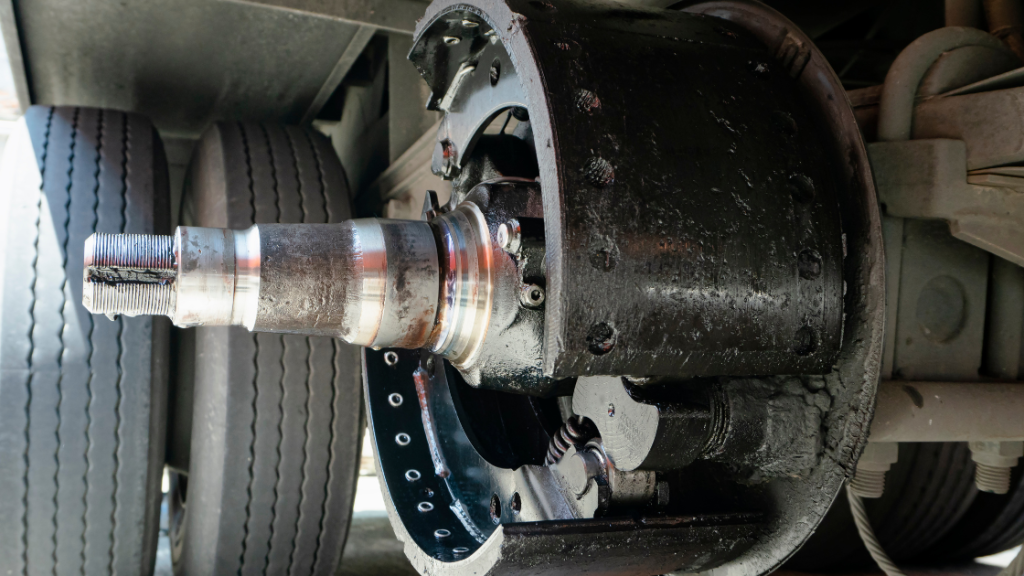
Your brake system is the number-one safety technology on your semi-trailer, making its warning signs impossible to ignore. Spongy brake pedal feel, extended stopping distances, unexplained squealing, or grinding noises are all top-tier red flags. Early intervention can prevent a minor issue from causing permanent damage, such as warped drums or complete brake failure. Don’t let brake issues slip by; what starts as a minor problem can quickly threaten everyone on the road.
Inspect regularly for brake fluid leaks, wear on brake linings, and any fault or warning lights on your dashboard. These can indicate various underlying issues in the brake lines or the braking system's electronics. Though it may be tempting to delay repairs for convenience, brake system failures escalate quickly. Swift attention and maintenance prevent major accidents, expensive trailer repair bills, and downtime you simply can't afford.
Suspension Problems Impacting Semi-Trailer Safety
Suspension problems are an insidious, often-overlooked threat to semi-trailer reliability. When springs sag, airbags leak, or bushings degrade, your load stability and ride comfort are compromised. Watch for red flags like excessive bounce, tilting, or a trailer that sits unevenly; these aren’t just comfort issues, but warning signs of structural wear or potential weight imbalance that can lead to severe, unsafe driving conditions.
Routine checks on the trailer’s undercarriage can reveal weakened shock absorbers, cracked springs, or even missing fasteners that demand urgent trailer repair. Neglecting suspension issues leads to more pronounced problems: premature tire wear, recurring alignment issues, and risks of catastrophic suspension failure while on the move. Addressing these warning signs early keeps your semi-trailer not only compliant with regulations but fundamentally safe to operate.
Electrical Problems: Lights, ABS, and Safety Systems on the Trailer
Electrical problems on semi-trailers can be deceptive. From flickering or dim headlamps to malfunctioning ABS warning lights, these warning signs are easily brushed aside but can signify deeper trailer repair needs. Faulty lighting or nonfunctioning anti-lock brakes (ABS) impact not only operational safety but also legal compliance. Ignoring these issues can result in failed DOT inspections or, worse, on-road disasters during poor visibility or emergency braking.
Frequent issues include corroded electrical connections, worn wiring harnesses, blown fuses, and faulty sensors. If the lights are dim, inconsistent, or relay warning signals, it’s a clear call to check the electrical systems immediately. Staying on top of these problems doesn’t just prevent breakdowns; it protects lives by ensuring all safety features work when you need them most.
Visible Structural Damage: When Trailer Repair Is Urgent
Visible structural damage, such as rusted beams, cracked frames, or warped undercarriages, is a non-negotiable sign that your trailer needs immediate attention. These kinds of visible damage impact the core strength and longevity of your semi-trailer, turning minor issues into major hazards if left unaddressed. Structural compromise can result from long-term corrosion, overloading, or impact incidents, and often serves as a final warning before equipment failure.
Never underestimate broken welds, bent metal, or large rust patches; they reduce both capacity and durability, putting every load and driver at risk. A systematic structural check at every regular maintenance interval ensures minor surface damage doesn’t evolve into a reason to take the entire trailer off the road for replacement. Prioritize these repairs and consult with a professional for thorough inspections if you notice any alarming changes in structural integrity.
Tables: Typical Semi-Trailer Repair Signs and Recommended Actions
| Repair Sign |
Possible Cause |
Recommended Action |
| Uneven tire wear |
Alignment issue, suspension problems, improper tire pressure |
Wheel alignment, tire rotation, suspension inspection, adjust tire pressure |
| Tire blowouts |
Worn tires, underinflation, overloading |
Immediate tire replacement, check load distribution, maintain tire pressure |
| Spongy brake pedal |
Air in brake lines, worn brake components |
Brake bleed, replace worn parts, inspect brake system |
| Dim/non-functioning lights |
Electrical problems, faulty wiring, corroded connectors |
Electrical inspection, replace wiring, clean connections |
| Rust or cracks on frame |
Corrosion, impact, aging metal |
Structural assessment, welding, replace damaged parts |
| Sagging suspension |
Broken springs, leaking air bags |
Suspension repair, spring replacement, check air system |
| Warning lights on dashboard |
ABS or brake system fault, electrical problem |
Diagnostic scan, targeted repairs, system reset |
Inspection Checklist: Warning Signs You Can't Ignore
- Uneven tire wear or bulges
- Leaking brakes or air lines
- Unresponsive or spongy brakes
- Sagging suspension or broken springs
- Dim or non-functioning lights
- Corrosion on the frame or undercarriage
- Loud noises or vibrations during transit
How to Distinguish Between Routine and Emergency Semi-Trailer Repair Signs
Distinguishing a routine maintenance issue from an emergency trailer repair sign comes down to risk and urgency. Routine matters, such as gradual tire wear, scheduled oil changes, or minor rust spots, can be incorporated into your regular maintenance schedule. However, emergency warning signs demand immediate action. Examples include sudden loss of braking power, a noticeable crack in the frame structure, or persistent dashboard warning lights.
If the warning sign compromises safety, such as leaking brake lines, tire blowouts, or visible suspension collapse, halt operation and arrange for repairs immediately. Regular maintenance helps catch these problems early, so you rarely need to make that call. Always err on the side of caution; what seems like a minor issue now can quickly escalate, endangering lives and assets.
Watch this essential guide to spot the five most common and most dangerous semi-trailer repair signs before they become emergencies.
The Role of Regular Maintenance in Preventing Major Trailer Repair
Regular maintenance is the cornerstone of avoiding significant semi-trailer repair signs and maximizing your fleet’s operational lifespan. Routine checks help capture minor warning signs, such as uneven tire wear, fraying brake lines, or minor suspension problems, before they turn into emergencies that cause downtime or force costly replacements. Add pre-trip inspections and periodic professional diagnostics to your workflow; these simple habits extend the life of every semi on the lot and ensure nothing is left to chance.
Proactive maintenance also means you’ll be less likely to miss minor issues that escalate when overlooked. Keeping up with scheduled brake inspections, alignment checks, and lubrication routines prevents a backlog of problems and guarantees your trailers are ready to handle any haul. Investing in this systematic approach not only protects your bottom line but also establishes your reputation as a safety-first operation.
Engine and Brake System Problems as Trailer Repair Triggers
Engine Problem Indicators: Recognizing the Warning Signs
Semi-trailer engine problems often begin with subtle signs, hard starts, unusual smoke, or erratic performance. These symptoms might indicate deeper issues with the fuel system, injection pump, or sensors. Overlooking an engine problem can reduce fuel efficiency or leave you stranded with a no-start situation, triggering emergency repairs that could have been avoided with regular checks.
Pay attention to delayed acceleration, engine warning lights, or persistent knocking sounds coming from the engine bay. These are early warning signs that may result from deteriorating parts or contaminated fuel. Prompt diagnosis and repair can save thousands in future costs and ensure your fleet’s engines are always ready for the next load.
Brake System and ABS Warnings: When Immediate Attention Is Required
The brake system on your semi-trailer is designed to flag any deterioration with dashboard warning lights or increased pedal travel. ABS (Anti-lock Braking System) warnings should never be ignored; a lit ABS indicator generally means the system is compromised, impacting both safety and legal compliance. Other warning signs include a gradual increase in stopping distance, erratic brake releases, and hissing or leaking from brake lines.
If any of these occur, cease operation and request an in-depth inspection. The cost and downtime of trailer repair are insignificant compared to the consequences of a brake system failure on the open road. Detecting and responding promptly to these warning signs can prevent disasters and minimize financial and physical risks.
Follow this video for a step-by-step walkthrough of a basic semi-trailer inspection to catch early signs of trouble and keep your trailers road-ready.
When Is Replacement Better Than Trailer Repair?
There comes a point when continued trailer repair is no longer cost-effective. Factors such as extensive frame corrosion, chronic suspension problems, or frequent electrical failures suggest it’s time for a replacement. If repair costs keep stacking up or warning signs reappear despite fixes, investing in a new trailer may yield better safety, efficiency, and ROI.
Consult a fleet expert and weigh total ownership costs... including downtime, labor, recurring repair bills, and safety risks against the purchase price of a new semi-trailer. When critical structural or safety components can’t be reliably repaired, replacement is the wisest option for your fleet's and your business's well-being.
People Also Ask About Semi-Trailer Repair Signs
What is the lifespan of a semi-trailer?
The average lifespan of a semi-trailer is typically 10 to 15 years, depending on usage, maintenance practices, and load types. Regular maintenance and timely repairs can extend your trailer's life by several years, while ignoring warning signs can significantly shorten its serviceable life.
What is the trailer brake service warning?
A trailer brake service warning indicates a potential malfunction in the braking system; this could be low fluid, a failed sensor, or air leaks. Any brake service warning is a critical red flag that requires immediate inspection and repair to prevent brake failure and ensure safe operation.
What does the truck warning sign mean?
Truck warning signs typically refer to dashboard alerts or physical signs on the trailer that signal issues such as low tire pressure, malfunctioning brakes, electrical problems, or structural damage. These warnings should never be ignored, as they are designed to alert you before a minor issue becomes a significant threat to safety and reliability.
Is it safe to drive a trailer with ABS light on?
No, driving with the ABS light illuminated means the anti-lock braking system isn’t functioning correctly. While basic brakes might still work, you’ll lack critical safety features in emergencies or poor road conditions. Immediate trailer repair is necessary to restore full braking performance and legal compliance.
Expert Quotes on Semi-Trailer Repair Signs and Best Practices
"Spotting semi-trailer repair signs early not only keeps your fleet moving, it saves lives." – Fleet Maintenance Supervisor
FAQs: Semi-Trailer Repair Signs and Common Troubles
- How can I tell if my semi-trailer alignment is off?
You may notice uneven tire wear, pulling to one side, or a shaky ride. Extended periods of these symptoms suggest a misalignment, which should be inspected and corrected by a professional.
- Are leaking fluids a reason for emergency trailer repair?
Yes, leaking fluids (oil, brake fluid, coolant) indicate a critical issue that can affect braking and drive systems. Schedule immediate repairs to avoid breakdown or system failure.
- How often should I inspect my semi-trailer for warning signs?
A thorough inspection should be performed daily before and after each trip, with in-depth professional checks scheduled monthly or quarterly based on usage.
- Does insurance cover significant semi-trailer repair signs?
Insurance often covers damage from sudden failures or accidents, but not routine wear and tear or neglected maintenance warning signs. Always review your policy and keep maintenance records up to date.
Lists: Top Preventive Maintenance Tips to Reduce Semi-Trailer Repair Signs
- Perform pre-trip and post-trip inspections daily
- Monitor tire pressure and tread regularly
- Schedule routine brake system evaluations
- Check electrical connections and lighting before every haul
- Prioritize structural and frame inspections
Key Takeaways: Don’t Miss These Semi-Trailer Repair Signs
- Semi-trailer repair signs can prevent costly disasters if caught early
- Uneven tire wear, brake problems, and structural damage demand immediate action
- Regular maintenance is your first defense against warning signs
- Know when replacement is safer than repair
Act Now: Schedule Your Semi-Trailer Repair or Inspection Today
Don’t wait for a breakdown to force your hand. Proactive maintenance and quick action on warning signs not only save money but also lives. Call us today at 251-438-5521 to schedule a professional semi-trailer repair inspection and keep your fleet rolling safely down the road!